


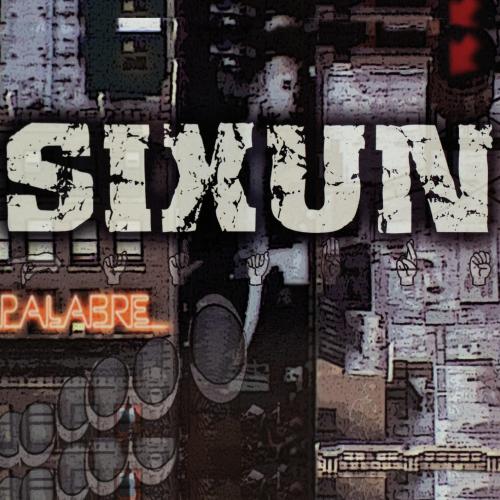
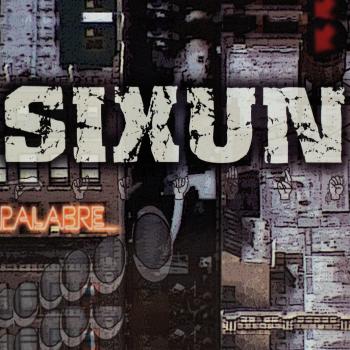
Palabre Sixun
Album info
Album-Release:
2008
HRA-Release:
29.01.2026
Album including Album cover
I`m sorry!
Dear HIGHRESAUDIO Visitor,
due to territorial constraints and also different releases dates in each country you currently can`t purchase this album. We are updating our release dates twice a week. So, please feel free to check from time-to-time, if the album is available for your country.
We suggest, that you bookmark the album and use our Short List function.
Thank you for your understanding and patience.
Yours sincerely, HIGHRESAUDIO
- 1 Paesana 06:33
- 2 Jour de soleil 04:40
- 3 Orange cannelle (feat. Sam Tshabalala) 06:02
- 4 Essaouira 08:27
- 5 Assiko 01:21
- 6 Futur 06:15
- 7 Il était un œuf 06:34
- 8 7 fois c'est bon 04:27
- 9 Décalé 04:20
- 10 Alerta Malibo 02:32
- 11 Valsega 05:08
- 12 Malgré tout 06:02
- 13 7 fois c'est fini 04:26
Info for Palabre
Two years after their live performance at La Cigale celebrating their twentieth anniversary, Sixun is back, reformed and ready to delight music lovers throughout France and beyond. Sixun still has that mixed jazz rock sound, with rich bass, explosive or meditative brass, oriental languor, pulsating assicko rhythms, and jubilant improvisations in instrumental conversations that never cease to surprise.
Sixun's artistry and strength lie in their jazz excellence combined with a diverse musical heritage that avoids the trap of austerity. They are virtuosos, certainly, but with a taste for pleasure and improvisation that gives their music a unique flavour.
Michel Alibo, bass, percussion
Paco Sery, drums, percussion
Louis Winsberg, guitar
Jean-Pierre Como, keyboards
Stéphane Edouard, percussion
Alain Debiossat, saxophone
Sixun
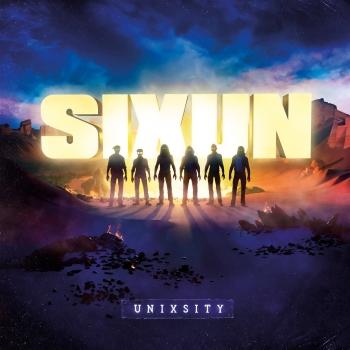
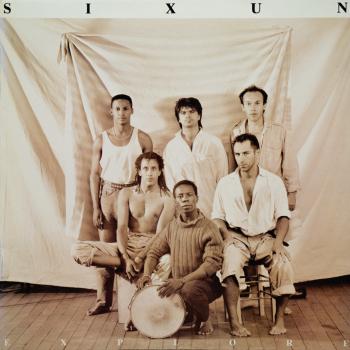
The group was formed in the autumn of 1984 during a jam session. The name of the band is composed of six and one and is therefore pronounced Ssies-öhn. This refers to the six members of the band, who come from all over the world and play together as one band. The basic line-up (Paco Séry (drums, percussion), Jean-Pierre Como (keyboard), Alain Debiossat (saxophone), Louis Winsberg (guitar) and Michel Alibo (bass) has remained unchanged over the years, but the percussionists have changed regularly. These musicians also have solo projects and bring their different musical specialities to the group.
Due to the composition with drums and percussion and the often percussive bass playing of Michel Alibo, the music generally sounds very rhythmic. The underlying patterns sometimes consist of complex polyrhythms. The influences of the musical backgrounds of the band members are clearly recognisable. These include African and Caribbean influences. They regularly incorporate syllabic vocals.
Their album Palabre is partly orchestrated and precisely worked out. The arrangements were made by Pierre Bertrand, co-director of the Paris Jazz Big Band. In their publicity, they describe themselves as the European version of Zawinul's Weather Report, to which they bear a striking resemblance, both in terms of instrumentation and certain musicians. On the current album, two accordions are still used very effectively with the saxophonist.
This album contains no booklet.